
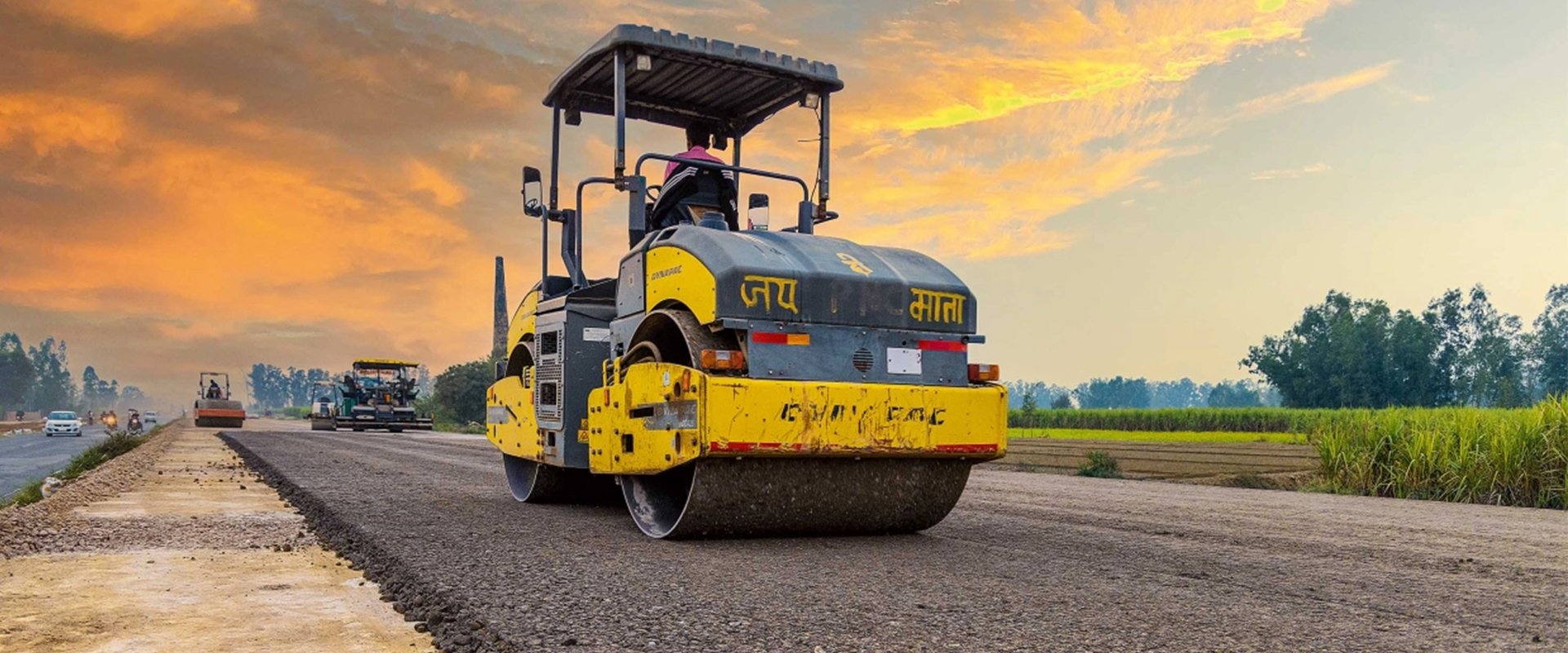
Road construction is an essential aspect of infrastructure development, serving as a foundation for economic growth, social connectivity, and regional advancement. From ancient cobblestone pathways to modern multilane expressways, road construction has evolved significantly, integrating advanced technologies and sustainable practices.
The Importance of Road Construction
Roads connect people, goods, and services, facilitating trade, communication, and mobility. A robust road network is crucial for the seamless functioning of transportation systems, reducing travel time, lowering costs, and improving accessibility to remote areas. Properly constructed roads also enhance safety and reduce the risks associated with poorly maintained pathways.
In developing regions, road construction transforms communities by providing access to education, healthcare, and markets, fostering overall socioeconomic development.
The Road Construction Process
The process of constructing a road is a meticulous endeavor involving several stages:
- Planning and Design
Before construction begins, engineers and planners conduct feasibility studies, environmental assessments, and traffic analyses. The design phase determines the road’s alignment, width, materials, and drainage systems. - Clearing and Excavation
Land preparation involves clearing vegetation, relocating utilities, and leveling the ground. Excavation ensures the roadbed is stable and capable of supporting the structure and expected traffic load. - Base Preparation
A strong foundation is critical for road durability. Layers of crushed stone, gravel, or asphalt are compacted to provide structural support and prevent settlement. - Paving
Depending on the road type, materials like asphalt, concrete, or bitumen are used for paving. Each material has its advantages:- Asphalt offers flexibility and is ideal for urban roads.
- Concrete provides longevity and is preferred for highways.
- Bitumen is cost-effective for rural and less trafficked areas.
- Finishing and Marking
Finishing touches include installing curbs, signs, and road markings. Proper signage and lighting ensure safety and guide drivers effectively. - Quality Control and Maintenance
Regular inspections during construction ensure adherence to standards. Once the road is operational, periodic maintenance prolongs its life and prevents costly repairs.
Challenges in Road Construction
Road construction is not without its challenges:
- Environmental Impact: Clearing land for roads can disrupt ecosystems and lead to deforestation. Sustainable practices, such as wildlife corridors and green bridges, can mitigate these effects.
- Budget Constraints: Building roads is a capital-intensive process. Securing funds, especially for large-scale projects, can delay construction.
- Weather and Terrain: Adverse weather and difficult terrains, such as mountains or marshlands, complicate construction.
Innovations in Road Construction
Technology is revolutionizing road construction:
- Smart Roads: Embedded sensors and IoT devices monitor traffic and road conditions in real-time.
- Recycled Materials: Using recycled plastics, rubber, and other materials reduces environmental impact.
- Sustainable Design: Solar roads and eco-friendly pavements are paving the way for greener infrastructure.
The Future of Road Construction
As populations grow and urbanization accelerates, the demand for efficient and sustainable road networks will increase. Governments and private entities must prioritize innovation, sustainability, and quality to meet future needs.
Road construction is more than laying asphalt—it is about building pathways that connect dreams, opportunities, and progress. By investing in smarter, greener, and more durable roads, we pave the way for a better tomorrow.